
Nature
THE UNSPOILT ENVIRONMENT
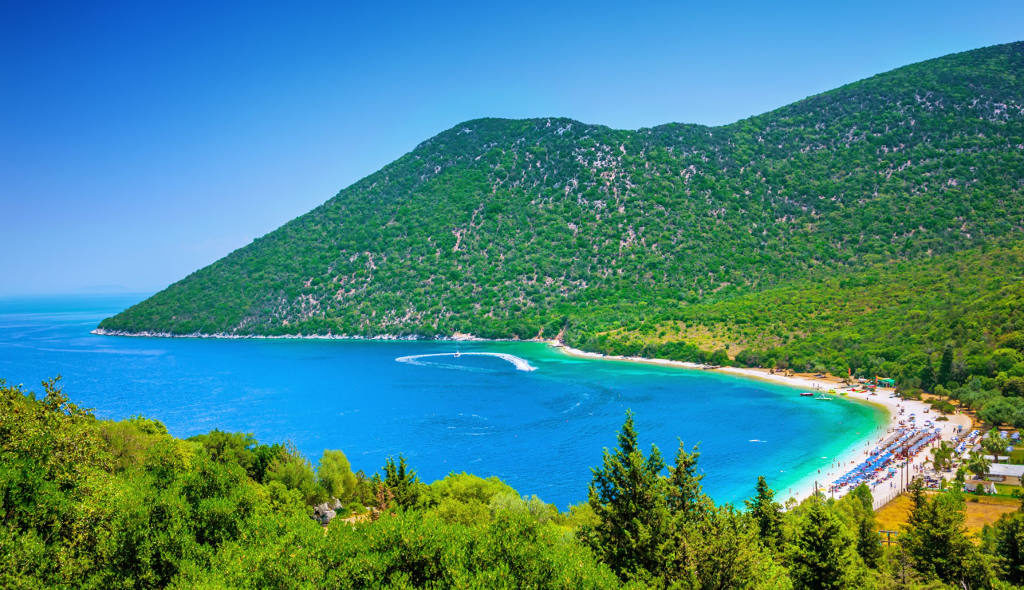
The natural setting of Kefalonia offers a rich and diverse scenery to all visitors. Caves, waterfalls, lakes, lagoons,mountain peaks, many beaches – some very long ones- all make up an idyllic picture.
There is undoubtedly some magical interplay between the impressive mountainsides and the lush plains which gently slope towards the sea, forming spectacular beaches. The island’s climate is described by many as “pleasantly moderate” – in other words, mild in the winter, cool in the summer.
Thanks to the unique geography of Kefalonia, its temperate climate and rich and fertile subsoil, one can find more than 1000 plant varieties here.
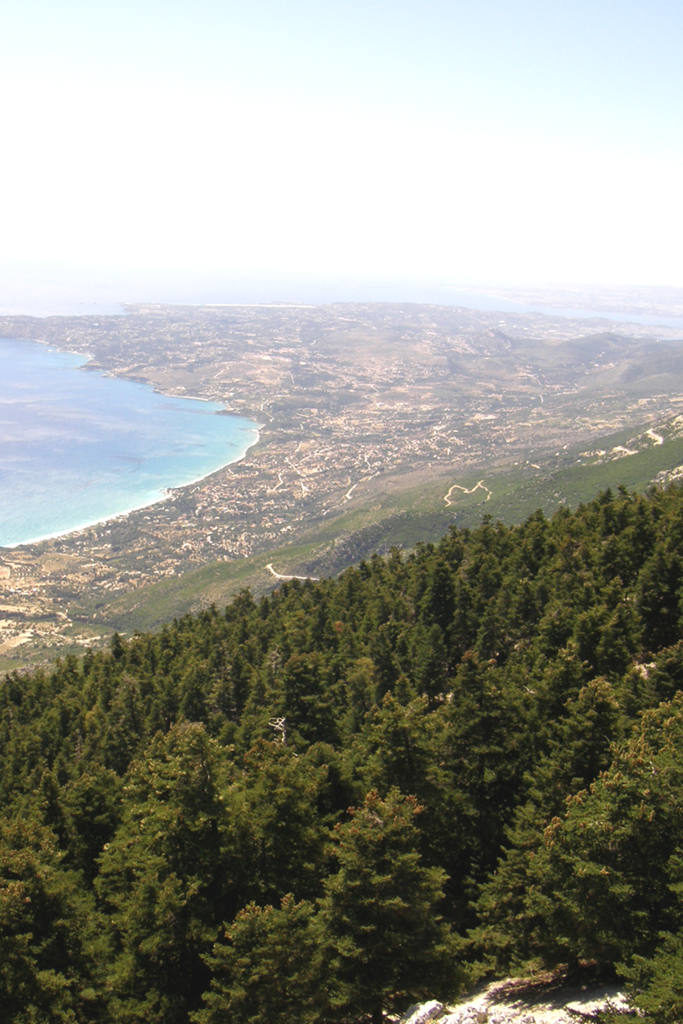
The mountain range of Ainos extends over a large area of the island. In 1962, it was officially declared a National Park, protected under environmental regulations.
It is famous for its unique Black Fir that does not grow anywhere else in the world, and Rombola, a special variety of grape that grows on the plateau of Omalos, and produces some of the most exquisite wines. On a lucky day, you may come across some Equus caballus, the small wild horses that live on Mt Ainos.
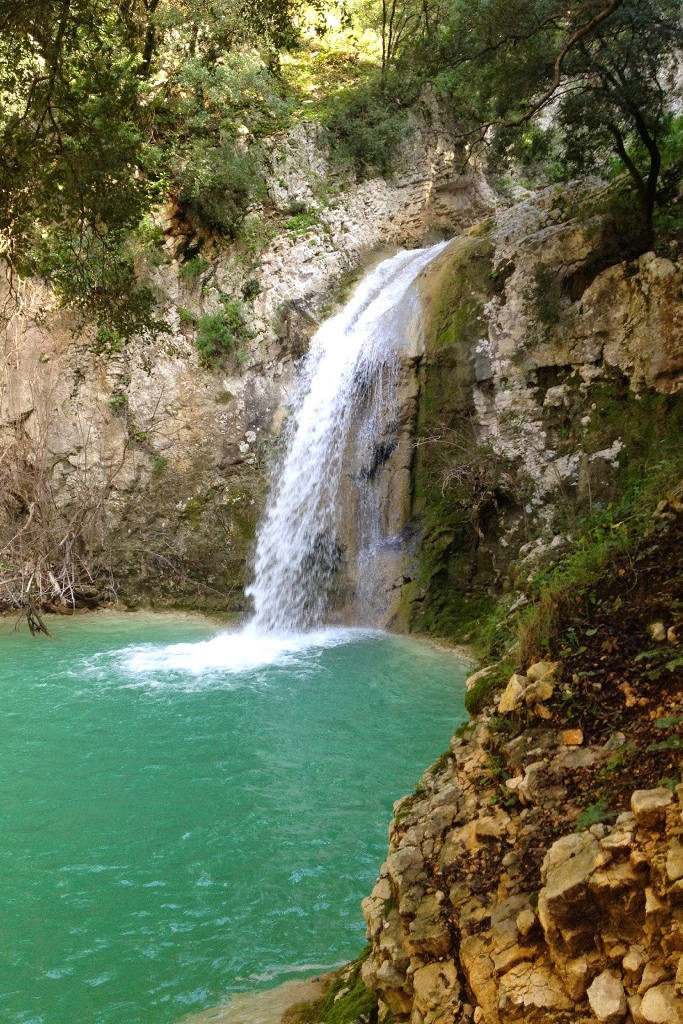
The shores of Kefalonia form countless bays and capes. The island’s caves are of special interest. One can actually experience the mysterious phenomenon with the running sea water disappearing into cracks of ponors and ending up at the area of Karavomilos at Sami.
According to scientific interpretation, these ponors are a natural opening where surface water enters underground passages, and travels for a distance of about 30 kilometers from the southern tip to the northern end of the island, forming holes of porous limestone rock in the ground and ending up at the cave of Melissanthi, at Sami.
There is a stunning blue lagoon in this cave. Its ceiling has collapsed, and this allows the sun rays to beam through to the surface of the water, and create a magical reflection on the cave’s wall.
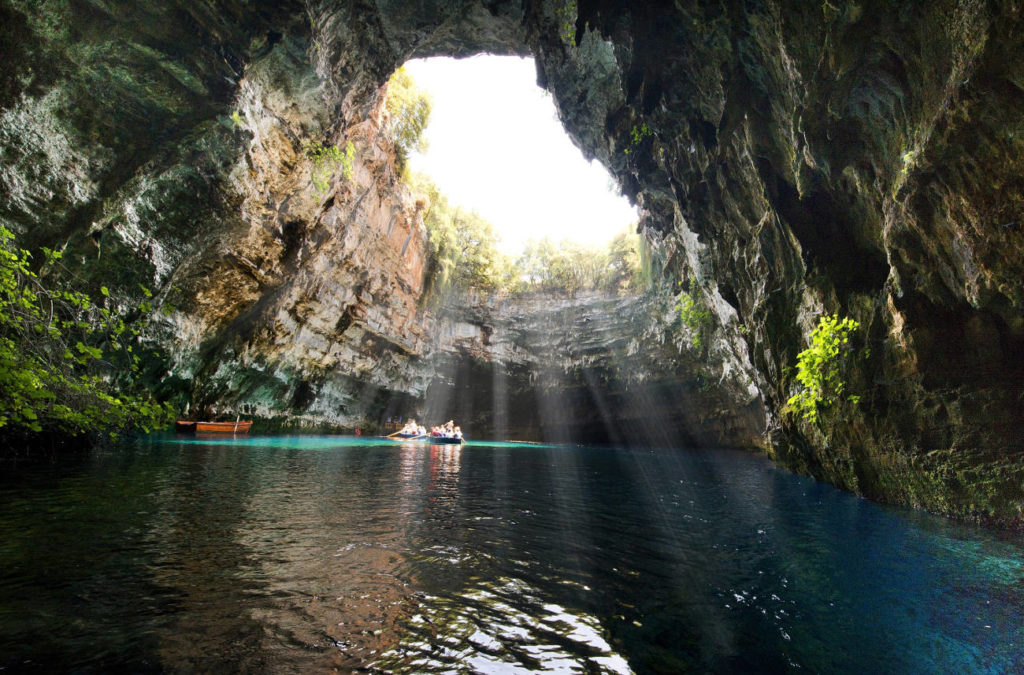
The discovery of ancient ruins, revealed that the cave was dedicated to Pan, the ancient Greek God of the Wild. According to mythology, Melissanthi who was a nymph, took her life falling into the lake because Pan rejected her love. Another myth, however, says that Melissanthi fell into the lake and drowned in her effort to find one of her sheep that had gone astray.
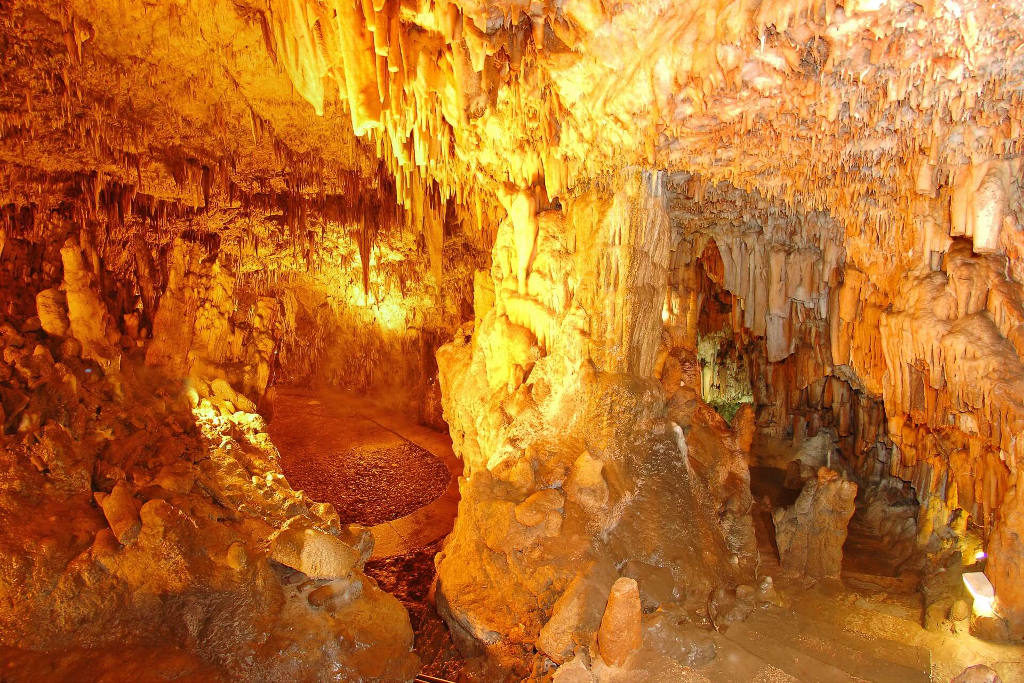
The Drogoratis cave was discovered 300 years ago, when its main entrance was revealed after a strong earthquake shook the island. Its age is estimated at one hundred million years old. Due to its excellent acoustics, many cultural events have been held here.
Kounopetra is yet another mysterious phenomenon on the island. It is a huge rock, near the village Matzavinata, which had its own rhythmical movement until the earthquake of 1953 brought it to an end.
The morphology of the land and the climate of Kefalonia, have been exploited for the production of alternative forms of energy, for instance through the construction of wind farms and other.

OUR ADDRESS
Oikos Boutique Residences
280 86 Platies, Kefalonia
Greece
OIKOS VILLAS
SERVICES
LOCATION
ABOUT US
- © Copyright Oikos Boutique Residences
- Developed by ISTODATA